Milk & Casein Protein
1
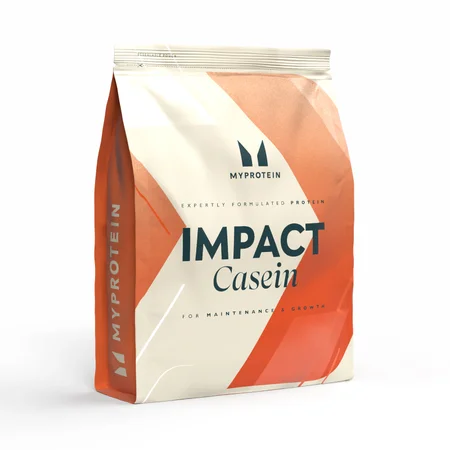
Shop Milk Protein at Myprotein
Milk protein is one of the most complete and versatile protein sources available. Derived from dairy, it delivers the full spectrum of essential amino acids your body can't produce on its own — making it a staple in serious supplement stacks. Whether you're after micellar casein, casein protein powder, or a broader milk protein blend, you'll find a range of formats and flavours built for different goals and training styles.
Unlike single-source options, milk protein combines both casein and whey fractions, giving you a broader nutritional profile in one product. Casein — the dominant fraction — is known for its slow-digesting nature, making milk protein powder a go-to for those who want protein to keep working after training or through the night.
Who Milk Protein Is For
Milk protein is ideal for anyone who trains regularly and wants a protein source that covers more than just the immediate post-workout window. It's particularly popular with those who prioritise overnight nutrition — athletes, gym-goers, and strength trainers who know that what you do between sessions matters just as much as what you do in the gym.
It's also a strong fit for people who struggle to hit their daily protein targets through food alone. Milk protein powder integrates easily into shakes, overnight oats, or high-protein recipes, making it a practical option for busy schedules. If you're looking for a slow-digesting protein that delivers a steady amino acid profile, milk protein — and micellar casein in particular — is worth your attention.
When to Use Milk Protein
The slow-release nature of casein protein makes milk protein a natural choice before bed. Many athletes use it in the evening as part of their nighttime routine, taking advantage of the extended period without food to maintain a steady amino acid supply. A shake mixed with water or milk, or stirred into yoghurt for a thicker texture, makes for an easy pre-sleep option.
That said, milk protein isn't limited to evenings. It works equally well between meals when you need sustained protein across a longer stretch of the day. Whether it's mid-morning or mid-afternoon, a serving of milk protein powder helps keep your daily intake consistent without spiking and crashing like faster-digesting options might.
Milk Protein Benefits
A Complete Amino Acid Profile
Milk protein contains all nine essential amino acids, making it a complete protein source. That completeness matters — protein contributes to the growth and maintenance of muscle mass1, and getting the full range of amino acids is key to that process. Whether you're building or maintaining, milk protein covers the bases.
Slow-Digesting by Nature
Micellar casein — the primary form of protein in milk — forms a gel-like structure in the stomach, resulting in a slower, more gradual release of amino acids compared to fast-digesting proteins. This makes milk protein powder a particularly useful option during longer periods between meals or overnight.
Bone-Friendly Protein
Protein contributes to the maintenance of normal bones2, and milk protein delivers that in a format that's also naturally rich in calcium. It's a dual-action source that fits neatly into a well-rounded nutritional plan, especially for those who want to support both muscle and bone health through diet and supplementation.
Versatile Formats and Flavours
Milk protein comes in powders and ready-to-use formats, with a range of flavours that make it easy to stay consistent. Mix it into a shake, blend it into a smoothie, or stir it into recipes — the format flexibility means you can hit your protein targets without resorting to the same shake every day.
Popular Picks
Looking for a slow-release casein option? Micellar Casein - This is one of the purest forms of milk protein available, delivering a slow and steady amino acid profile. It mixes into a thick, creamy shake and comes in a range of flavours — a popular choice for those who want a quality casein protein powder for evening use.
FAQs
What is milk protein?
Milk protein is the collective term for the proteins found naturally in dairy milk. It's made up of two main fractions: casein (roughly 80%) and whey (roughly 20%). Most milk protein supplements focus on the casein fraction, particularly micellar casein, which is the most naturally occurring form of casein found in milk.
What is the difference between milk protein and casein protein?
Casein protein is a component of milk protein. When a product is labelled as "milk protein," it typically contains both casein and whey fractions in roughly the same proportions as found in milk. Casein protein powder, by contrast, is a more concentrated form of the casein fraction specifically, with whey largely removed.
In practice, the nutritional experience is similar — both are slow-digesting, complete protein sources. The main difference comes down to purity and the ratio of casein to whey in the final product.
What is micellar casein?
Micellar casein is the natural, undenatured form of casein found in milk. The term "micellar" refers to the structure it forms — tiny spherical clusters called micelles — which are preserved during careful processing. This structure is thought to be responsible for its slow-digesting properties, as it forms a gel-like consistency in the stomach.
Is milk protein a slow-release protein?
Yes. The casein fraction of milk protein digests more slowly than whey protein, releasing amino acids over a more extended period. This makes it a popular choice for use between meals or before sleep, when the body goes for longer stretches without food intake.
How does milk protein compare to whey protein?
Whey protein is fast-digesting and is typically used around workouts, while milk protein — and micellar casein in particular — digests more slowly. Both are complete proteins containing all nine essential amino acids, and protein from either source contributes to the growth and maintenance of muscle mass1. The choice often comes down to timing preferences and how you like to structure your daily protein intake.
When should I take milk protein or casein protein powder?
Many people use casein protein or milk protein powder in the evening before sleep, during extended gaps between meals, or any time they want a protein source that delivers amino acids over a longer timeframe. It works well stirred into shakes, blended with milk, or mixed into thicker foods like yoghurt or overnight oats.
How much protein do milk protein supplements contain?
This varies by product, but most micellar casein and casein protein powders deliver around 20–25g of protein per serving. Always check the label for exact figures, and factor your serving into your overall daily protein targets based on your training and dietary goals.
Who developed Myprotein's milk protein supplements?
Myprotein's milk protein range is developed by Myprotein's expert nutritionists, who work to ensure each product meets strict quality standards in terms of protein content, ingredient quality, and flavour. Every formulation goes through a thorough development process before it reaches the shelf.
Is casein protein suitable for a high-protein diet?
Casein protein powder is a straightforward way to increase daily protein intake. Protein contributes to the maintenance of muscle mass1 and to the maintenance of normal bones2, making it a practical addition to the diet for those who train regularly and want to ensure consistent intake throughout the day — not just around workouts.
What formats does milk protein come in?
Milk protein is most commonly found in powder form, designed to be mixed into shakes or added to food. Micellar Casein powder mixes into a thicker consistency than whey, which makes it particularly popular blended with milk or stirred into Greek yoghurt. Available in multiple flavours, it's a versatile format for building protein into your daily routine.
1. Protein contributes to the growth and maintenance of muscle mass.
2. Protein contributes to the maintenance of normal bones.