Training Equipment
Get the most from every rep and set with our range of gym equipment essentials. From weightlifting gloves and belts, to knee supports and wrist wraps, we’re on hand to help you stay injury-free and on form to reach your goals.
20 Results


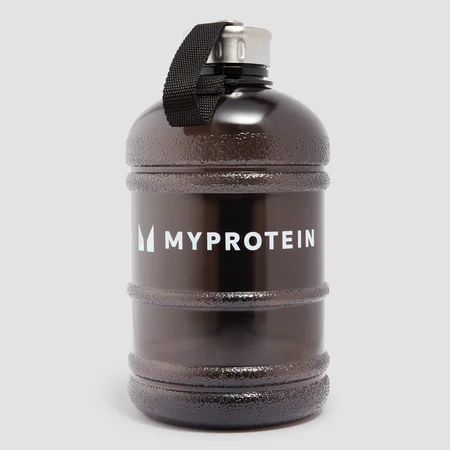
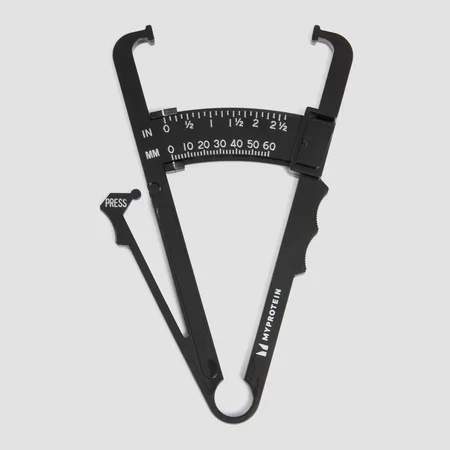
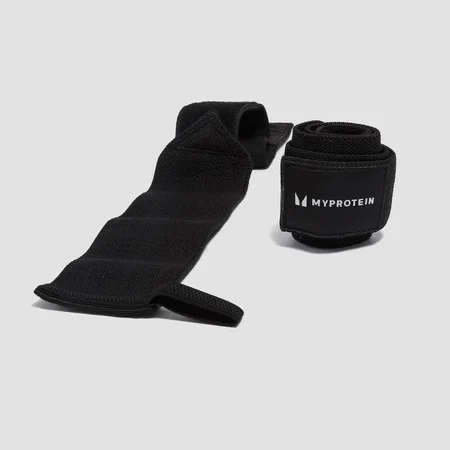
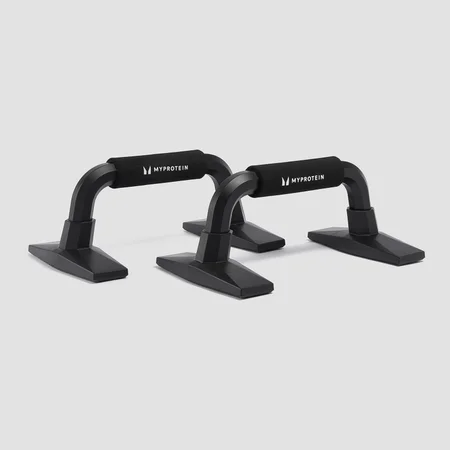
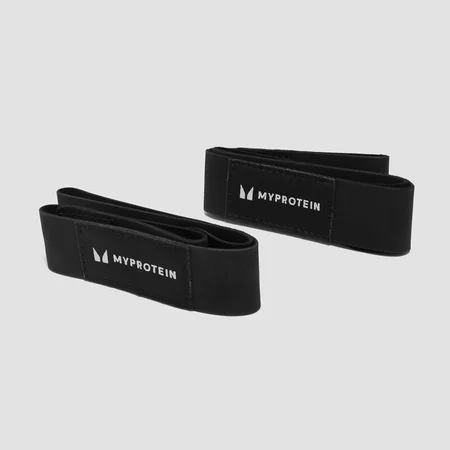
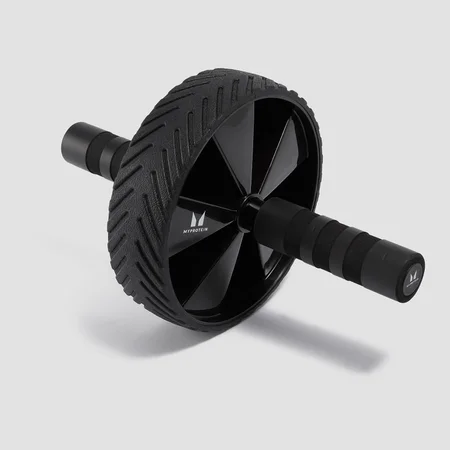
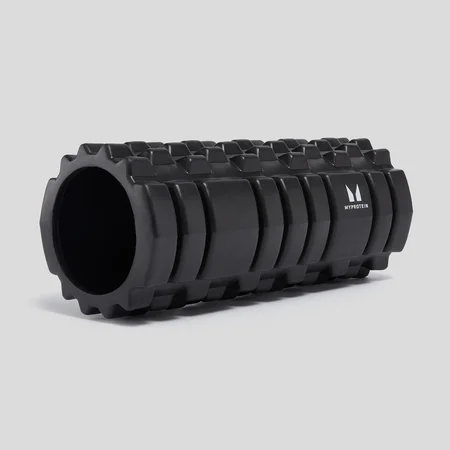
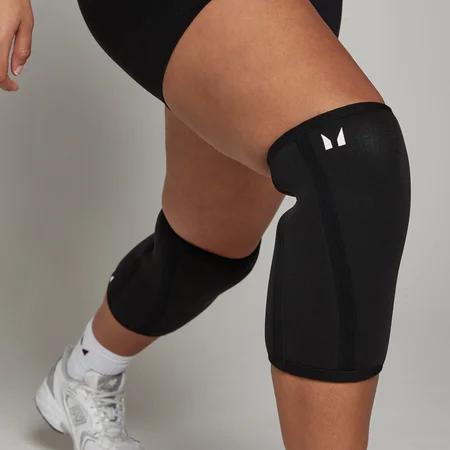
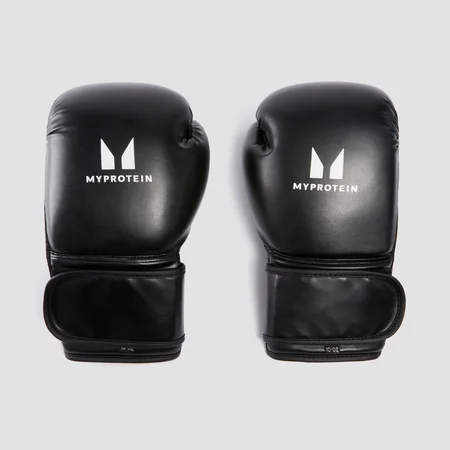
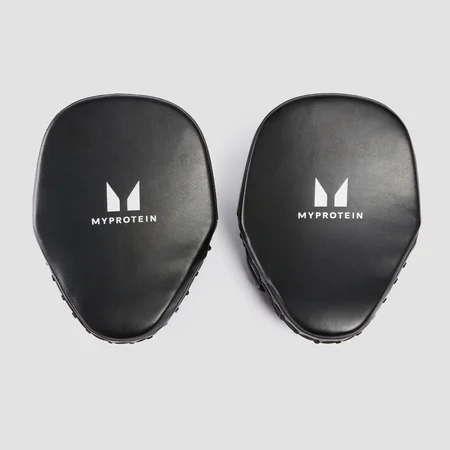
Shop Training Equipment at Myprotein
Whether you're pushing for a new one-rep max or grinding through high-volume sessions, the right lifting equipment can transform your training. From lifting straps that help you maintain grip during heavy pulls to belts that support your core during compound movements, quality weightlifting equipment isn't just about performance – it's about training smarter and safer.
At Myprotein, we've developed a range of weight training equipment designed to meet the demands of serious lifters. Each piece is built to withstand the rigours of intense training whilst providing the support and functionality you need to focus on what matters most – your progress.
Who Should Try These
Our weightlifting accessories are designed for anyone serious about their strength training – from competitive powerlifters and Olympic lifters to dedicated gym-goers working towards their goals. If you're regularly handling heavy weights, performing high-rep training, or looking to progress your lifts, the right weightlifting gear can make a tangible difference to your sessions.
These products are particularly valuable for those moving beyond beginner weights, where grip strength and core stability become limiting factors. Whether you're training for competition, following a structured programme, or simply committed to progressive overload, investing in proper gym weightlifting equipment helps you train with confidence and consistency.
When to Use Training Equipment
The timing of when to introduce lifting equipment depends on your training phase and specific exercises. Lifting straps come into their own during back-focused sessions – think heavy deadlifts, rows, and pull variations where grip tends to fail before your target muscles. Belts are typically reserved for your heaviest compound sets, particularly squats and deadlifts, where core bracing is critical.
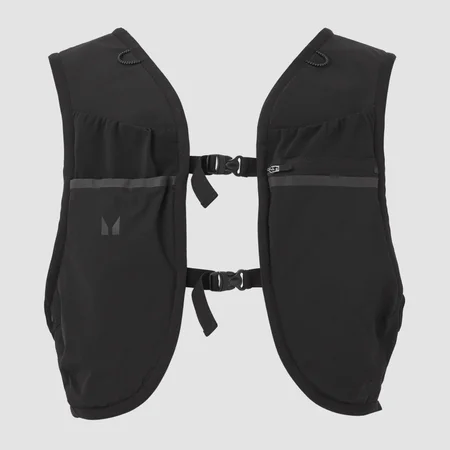
Rather than relying on weightlifting accessories for every set, use them strategically. Save straps for your working sets when maintaining technique is paramount, and use belts for top-end strength work whilst training beltless for lighter assistance movements. Wraps and sleeves can be worn throughout sessions to provide consistent joint support, whilst hydration vests are essential for longer training sessions or outdoor workouts where water access is limited.
Training Equipment Benefits
Enhanced Grip Security
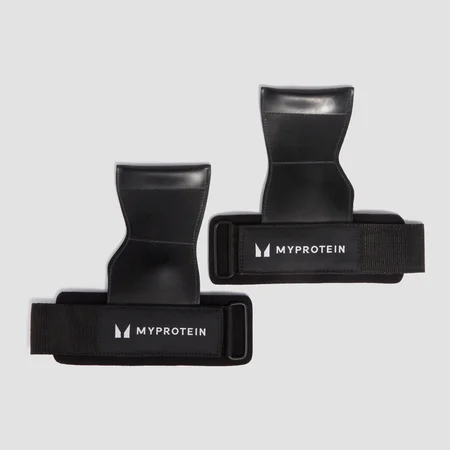
Quality lifting straps eliminate grip as a limiting factor during pulling movements. When you're pushing for volume or testing maximal strength, your grip often gives out before your back muscles are fully challenged. Straps allow you to maintain hold through complete sets, ensuring your target muscles receive adequate stimulus.
Improved Core Stability
A proper lifting belt provides external support that helps you generate greater intra-abdominal pressure during heavy compound lifts. This increased pressure creates a more stable torso, allowing you to maintain better positioning under load whilst managing the demands of maximal or near-maximal attempts.
Joint Support and Protection
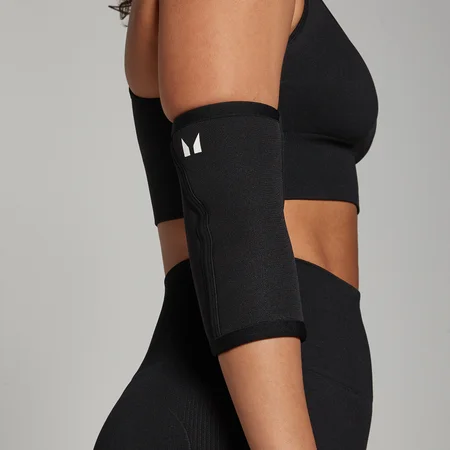
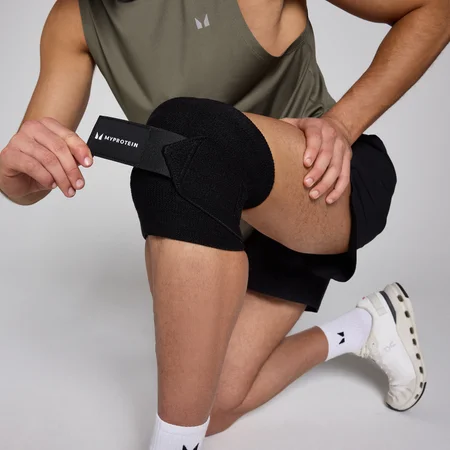
Elbow sleeves, knee sleeves, and hand wraps provide compression and warmth to working joints. This support can be particularly valuable during high-volume training blocks or when managing minor niggles that might otherwise interrupt your training consistency. The compression aids proprioception, helping you maintain awareness of joint position throughout each rep.
Sustained Hydration
Hydration vests keep water accessible during extended training sessions without the need to break for the fountain. Particularly useful for circuit-style training, CrossFit-style workouts, or outdoor sessions, they allow you to maintain fluid intake consistently throughout your work, rather than gulping water between exercises.
Popular Picks
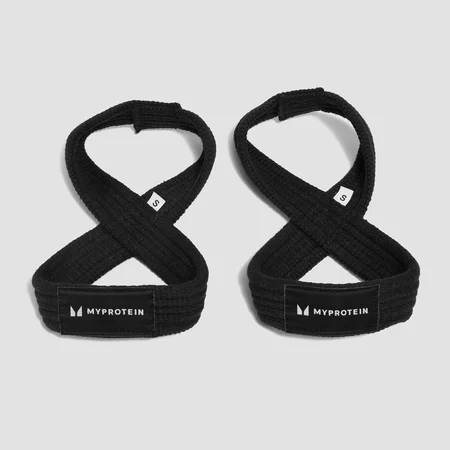
Need reliable grip support? Myprotein Figure of 8 Lifting Straps - Black – Essential for combat sports training and heavy bag work, these wraps provide wrist stability and knuckle protection. The secure fastening system ensures they stay in place through rounds of striking.
FAQs
What is training equipment?
Training equipment encompasses the accessories and tools used to enhance, support, or facilitate exercise performance. In the context of strength training, this includes items like lifting straps for grip assistance, belts for core support, sleeves for joint compression, and wraps for hand or wrist protection. Unlike the actual weights or machines you're lifting, these accessories work alongside your training to address specific technical or physical limitations.
What's the difference between lifting straps and wrist wraps?
Lifting straps loop around the barbell to assist your grip during pulling movements like deadlifts and rows. They're designed to prevent the bar slipping from your hands when your grip strength becomes the limiting factor. Wrist wraps, on the other hand, provide support and stability to the wrist joint itself, typically used during pressing movements or exercises where the wrist is under significant load or extension.
Straps address grip endurance, whilst wraps address wrist positioning and support. Many lifters use both, but for entirely different purposes and during different exercises.
When should I start using a lifting belt?
A lifting belt becomes useful once you're handling loads heavy enough that core stability becomes a genuine concern – typically when working above 80-85% of your one-rep max on compound movements. There's no specific weight threshold; rather, it's about the relative intensity of your working sets.
Many experienced lifters use belts strategically for their heaviest sets whilst training beltless for lighter work, which helps develop natural core strength. If you're still in your first year of training or working with moderate loads, focusing on developing bracing technique without a belt is generally more beneficial.
How do I choose the right size lifting belt?
Measure around your waist at the point where you'd wear the belt – typically at or just above your navel, where you naturally brace during a squat or deadlift. Take this measurement whilst standing in a relaxed position, not holding your breath or flexing.
Most manufacturers provide sizing charts based on this measurement. The belt should fit snugly enough that you can comfortably fit one finger between the belt and your body when it's fastened, but not so tight that it restricts breathing or causes discomfort before you've even started lifting.
Can I use lifting straps for all pulling exercises?
Whilst you can technically use straps for any pulling movement, it's generally wise to use them selectively. Reserve straps for heavy compound pulls where grip is genuinely limiting – think top-set deadlifts, heavy rows, or high-rep pull variations where your forearms fatigue before your back.
For lighter warm-up sets and assistance work, training without straps helps develop natural grip strength, which remains important for overall pulling capacity and functional strength. Overreliance on straps can lead to neglected grip development, which may become problematic in competition settings or exercises where straps aren't permitted.
What are elbow sleeves used for?
Elbow sleeves provide compression and warmth to the elbow joint during training. The compression can help with proprioception – your awareness of joint position – whilst the warmth maintains blood flow to the area. Many lifters find them useful during pressing movements, triceps work, or when managing minor elbow discomfort.
They're not a substitute for proper form or adequate recovery, but they can provide a degree of support and comfort during training sessions, particularly in higher-volume blocks or when joints feel stiff.
How tight should knee or elbow sleeves be?
Sleeves should fit snugly enough to provide meaningful compression without cutting off circulation or causing numbness. You'll know they're properly fitted if they take some effort to pull on but don't cause discomfort once in place. During exercise, they should stay positioned without sliding down, whilst still allowing full range of motion.
If you're experiencing pins and needles, skin discolouration, or significant discomfort, they're too tight. If they're sliding down during sets or bunching behind the joint, they're too loose. Most manufacturers provide sizing guides based on measurements taken around the joint at its widest point.
Do I need different equipment for different types of training?
Different training styles do benefit from specific weightlifting accessories. Olympic lifters might prioritise straps with quick-release capabilities, whilst powerlifters often prefer figure-of-8 straps for maximum deadlift security. CrossFit athletes might need versatile equipment that works across varied movements, whilst bodybuilders often focus on accessories that support high-volume training.
That said, quality basics like standard lifting straps, a good belt, and compression sleeves serve most training styles effectively. Your specific needs become clearer as your training becomes more specialised or as you identify consistent limiting factors in your sessions.
Who developed these training accessories?
Myprotein's training equipment range has been developed by our expert team with input from athletes and coaches across various strength disciplines. Each product is designed to meet the practical demands of regular training whilst maintaining the durability needed for long-term use.
From material selection to sizing specifications, the range reflects real-world feedback from lifters who use this equipment day in, day out. The focus remains on functional design that serves your training without unnecessary complications.
Can beginners use weightlifting gear?
Beginners can certainly use training equipment, though the immediate need is often less pressing than for intermediate or advanced lifters. If you're new to training, developing proper technique and natural bracing ability should take priority before introducing supportive equipment.
That said, items like hand wraps for boxing training or a hydration vest for long sessions have value regardless of experience level. For strength-specific equipment like belts and straps, many coaches recommend waiting until you've established consistent technique and are handling challenging loads where these accessories provide genuine benefit rather than becoming a crutch.
How do I care for my lifting equipment?
Most weightlifting accessories benefit from regular cleaning and proper storage. Straps, wraps, and sleeves should be aired out after sessions and washed periodically according to manufacturer guidelines – usually a gentle machine wash or hand wash in cool water. Leather belts require less frequent cleaning but benefit from occasional conditioning to prevent cracking.
Store equipment in a dry environment away from direct sunlight, which can degrade materials over time. Inspect items regularly for signs of wear, particularly stitching on straps and the fastening mechanisms on belts, replacing them when they show significant deterioration to ensure they remain safe and effective during training.