Energy Gels
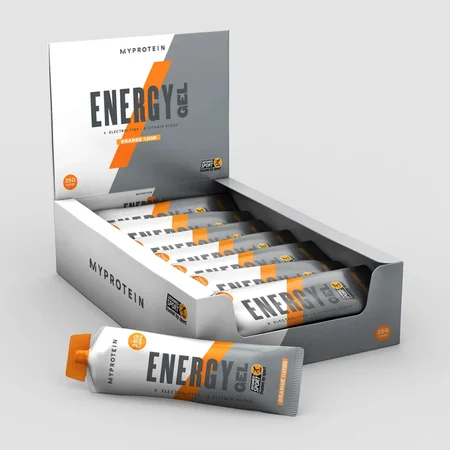
Shop Energy Gels at Myprotein
Energy gels deliver fast-acting carbohydrates in a convenient, portable format designed for endurance activities. Each gel provides a concentrated source of energy that's easy to consume on the move, whether you're mid-run, cycling, or tackling a long-distance event.
Available in a range of flavours and formulations, these gels fit easily into pockets or race belts. Some include additional electrolytes to support hydration during extended sessions, while others offer straightforward carbohydrate delivery for quick energy replenishment.
Who Energy Gels Are For
Energy gels suit endurance athletes and anyone engaging in prolonged physical activity lasting over 60 minutes. Runners, cyclists, triathletes, and long-distance walkers commonly use them during training and competition to maintain energy levels when solid food becomes impractical.
They're particularly useful during races or intensive training sessions where stopping to eat isn't feasible. The compact format and quick absorption make them a practical choice for anyone needing rapid fuel delivery without the bulk or digestion demands of traditional snacks.
When to Use Energy Gels
Most athletes consume energy gels during activities lasting longer than an hour, spacing them at regular intervals throughout their session. Taking a gel every 30-45 minutes during endurance exercise is common practice, though individual needs vary based on intensity and duration.
Timing matters—consume gels with water to aid absorption and avoid taking multiple gels in quick succession without hydration. Many athletes experiment during training to find their optimal timing and tolerance before using gels in competitive situations.
Energy Gels Benefits
Convenient Carbohydrate Source
Each gel delivers a concentrated dose of carbohydrates in a format that's easy to carry and consume without breaking stride. The portable packaging fits into running belts, jersey pockets, or hydration vests, making them practical for any endurance activity.
Quick Energy Delivery
Carbohydrate gels are formulated for rapid absorption, providing accessible fuel when your body needs it most. The liquid consistency requires minimal digestion compared to solid foods, allowing faster transit from consumption to energy availability.
Multiple Formulation Options
Sports energy gels come in various compositions to suit different preferences and needs. Some contain caffeine for mental alertness during long events, while others include electrolytes to support hydration alongside energy delivery.
Easy to Consume Mid-Activity
Unlike bars or whole foods that require chewing, energy gel packs can be consumed quickly without slowing down. The smooth texture and single-serving format make them straightforward to use during intense efforts when appetite may be suppressed.
Popular Picks
Need reliable fuel for endurance sessions? Energy Elite Gel provides a concentrated carbohydrate source in a convenient format. Each gel delivers quick-acting energy in a portable sachet that fits easily into pockets or race belts, perfect for running, cycling, or any prolonged activity.
FAQs
What are energy gels?
Energy gels are concentrated carbohydrate supplements packaged in single-serving sachets, designed for consumption during endurance activities. They contain simple and complex carbohydrates in a gel-like consistency that's easy to consume without chewing, making them practical for athletes who need fuel whilst maintaining pace during runs, rides, or races.
How do energy gels differ from sports drinks?
Energy gels deliver a more concentrated dose of carbohydrates in a smaller volume compared to sports drinks. A single gel typically contains 20-25g of carbohydrates in a 30-40ml sachet, whereas you'd need to drink 200-300ml of sports drink for equivalent carbohydrate content.
Gels require less carrying capacity and don't slosh around during activity, but they need to be consumed with water for optimal absorption. Sports drinks provide simultaneous hydration and fuel, whilst gels let you manage energy and fluid intake separately.
When should I take energy gels during running?
Most runners start consuming running energy gels after 45-60 minutes of continuous activity, then continue at 30-45 minute intervals. The exact timing depends on your pace, intensity, and individual energy requirements—faster efforts typically demand more frequent fuelling.
Always practise your gel strategy during training before using it in races. Take gels with water to aid absorption and prevent stomach discomfort, and avoid consuming multiple gels in quick succession without adequate hydration.
How many energy gels should I carry for a long run?
A general guideline is one gel per 45-60 minutes of running beyond the first hour. For a two-hour run, carry 1-2 gels; for a three-hour effort, pack 3-4 gels. Adjust based on your individual energy needs, running intensity, and how you've responded during training.
Some runners prefer slightly more frequent fuelling with smaller amounts, whilst others consume larger quantities less often. Experiment during training to determine your optimal intake pattern before race day.
Can I use energy gels for cycling?
Energy gels work excellently for cycling, particularly during long rides or races where maintaining power output matters. Cyclists often consume gels every 20-30 minutes during intense efforts, as the seated position and lower impact make digestion easier compared to running.
The portable format fits conveniently in jersey pockets, and you can consume them whilst riding without breaking rhythm. Always follow gels with water from your bottle to support absorption and prevent dehydration.
Do all energy gels contain caffeine?
Not all carbohydrate gels include caffeine—formulations vary by product. Some gels are caffeine-free, offering pure carbohydrate fuel, whilst others contain 25-75mg of caffeine per serving to provide mental alertness alongside energy delivery.
Check individual product labels to identify caffeine content. Athletes sensitive to caffeine or consuming gels later in the day typically choose caffeine-free options, whilst those wanting an additional boost during long events may prefer caffeinated varieties.
Should I take energy gels with water?
Yes, always consume energy gels with water to aid absorption and prevent stomach discomfort. The concentrated carbohydrate content needs dilution in your digestive system—taking gels without water can lead to cramping, nausea, or delayed absorption.
Aim to drink 100-200ml of water with each gel, sipping gradually rather than gulping. This practice helps the gel transit smoothly through your system and supports the hydration needs of endurance activity.
How should I store energy gels?
Store energy gel packs in a cool, dry place away from direct sunlight. Most gels remain shelf-stable at room temperature, but extreme heat can alter their consistency, making them thinner or harder to dispense cleanly.
During warm weather events, carrying gels in insulated pockets or against your body rather than in direct sun helps maintain optimal texture. Check expiry dates before use, and avoid storing gels in hot cars or direct sunlight for extended periods.
Who develops Myprotein's energy gel formulations?
Myprotein's expert nutritionists develop all energy gel products, creating formulations that balance effective carbohydrate delivery with practical consumption. The team considers factors like absorption rates, palatability during exercise, and packaging convenience to produce gels that meet athletes' real-world needs during training and competition.
Can beginners use energy gels?
Beginners can absolutely use energy gels, though they're most beneficial once you're regularly training for over an hour. If you're new to endurance activities, start by trying one gel during a longer training session to assess how your stomach tolerates it before committing to regular use.
Many newcomers to sports energy gels find the texture takes some adjustment. Experiment with different flavours and formulations during training—never trial new products on race day. Start with one gel per session and gradually increase as your training duration extends.