Amino Acids
1
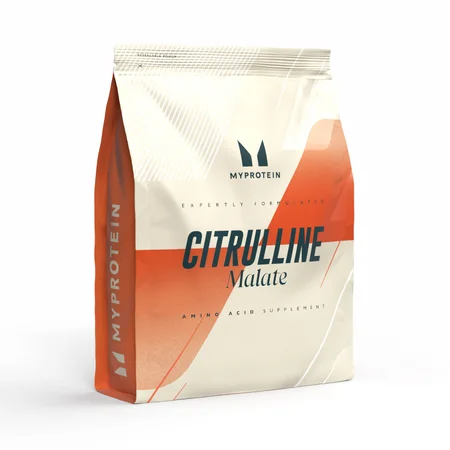
Shop Amino Acids at Myprotein
Amino acids are the building blocks of protein, playing a fundamental role in various physiological processes throughout the body. These organic compounds link together to form proteins, which are essential components of muscle tissue, enzymes, and numerous other biological structures. While the body can produce some amino acids naturally, others—known as essential amino acids—must be obtained through diet or supplementation.
At Myprotein, our range of amino acid supplements provides convenient formats to complement your nutritional intake. From individual amino acids like glutamine and citrulline malate to blends like BCAAs (branched-chain amino acids), we offer options in powders, tablets, and ready-to-drink formats designed by our expert nutritionists to fit seamlessly into your daily routine.
Who Amino Acids Are For
Amino acid supplements are popular among athletes, gym-goers, and active individuals who want to ensure adequate amino acid intake alongside their training programmes. Whether you're lifting weights, running marathons, or participating in team sports, these supplements can form part of a comprehensive nutrition strategy that includes whole food protein sources.
They're equally suitable for those following specific dietary patterns—such as plant-based diets—where obtaining all essential amino acids from food alone may require careful planning. From beginners establishing their supplement routine to experienced athletes fine-tuning their nutrition, amino acids offer flexible options that adapt to various fitness levels and goals.
When to Use Amino Acids
The timing of amino acid supplementation varies based on the specific amino acid and your daily schedule. Many people take BCAAs before or during workouts, mixing the powder into their water bottle for convenient sipping throughout training sessions. Others prefer post-workout consumption, incorporating amino acids into their recovery nutrition alongside meals or protein shakes.
Individual amino acids like glutamine are often taken either first thing in the morning or before bed, whilst citrulline malate is commonly consumed 30-45 minutes before training. The powder formats offer flexibility for dosage adjustments, whilst tablets and capsules provide portability for those supplementing on-the-go or at the gym.
Amino Acids Benefits
Convenient Protein Building Blocks
Amino acid supplements provide the fundamental components that make up protein in an easily digestible format. Protein contributes to the growth and maintenance of muscle mass1, making adequate amino acid intake particularly relevant for those engaged in resistance training or endurance activities.
Versatile Formats for Every Lifestyle
Our amino acid range includes unflavoured powders that mix invisibly into any beverage, flavoured options that make hydration more enjoyable, and tablet forms for maximum convenience. This variety ensures you can maintain your supplementation routine whether you're at home, travelling, or training at the gym.
Targeted Supplementation Options
Different amino acids serve different purposes in the body. BCAAs (leucine, isoleucine, and valine) are three of the nine essential amino acids that must come from dietary sources. Glutamine is the most abundant amino acid found in muscle tissue. Citrulline malate is a non-essential amino acid often used by strength athletes. This allows you to select specific amino acids based on your individual nutritional focus.
Complements Whole Food Nutrition
Whilst whole food protein sources like meat, fish, eggs, and legumes should form the foundation of your diet, amino acid supplements offer a convenient way to boost your intake around training sessions or during busy periods when preparing protein-rich meals isn't practical. They work alongside your regular diet rather than replacing nutritious whole foods.
Popular Picks
Looking for a classic BCAA blend? BCAA 2:1:1 Powder contains pure citrulline bonded with malate in unflavoured powder format. Commonly taken 30-45 minutes before training, it provides 3g of citrulline malate per serving and mixes into pre-workout drinks or consumed separately.
FAQs
What are amino acids?
Amino acids are organic compounds that combine to form proteins. There are 20 different amino acids that link together in various sequences to create the thousands of different proteins found in the human body. Nine of these are classified as essential amino acids because the body cannot produce them, meaning they must be obtained through diet or supplementation.
The remaining 11 are non-essential amino acids, which the body can synthesise from other nutrients. Amino acids serve as the building blocks for muscle tissue, enzymes, hormones, and other vital biological structures, making them fundamental to numerous physiological processes.
What's the difference between BCAAs and essential amino acids?
BCAAs (branched-chain amino acids) are a subset of essential amino acids, specifically comprising leucine, isoleucine, and valine. These three amino acids have a distinctive branched molecular structure that gives them their name. Essential amino acids, on the other hand, refer to all nine amino acids that the body cannot produce: histidine, isoleucine, leucine, lysine, methionine, phenylalanine, threonine, tryptophan, and valine.
Whilst BCAA supplements contain only these three specific amino acids, essential amino acid (EAA) supplements provide all nine. Both types must be obtained through diet or supplementation, but BCAA products focus on the three branched-chain varieties often favoured by athletes and gym-goers.
How do I choose the right amino acid supplement?
Selecting an amino acid supplement depends on your specific nutritional needs and preferences. If you're looking for the three branched-chain amino acids commonly used around training, a BCAA powder or tablet might suit you. For broader essential amino acid coverage, an EAA product provides all nine essentials. Individual amino acids like glutamine or citrulline malate are chosen by those wanting to supplement specific amino acids.
Consider format preferences too—unflavoured powders offer versatility for mixing into any beverage, flavoured options make hydration more enjoyable, and tablets provide convenience for travel or gym bags. Review the ingredients list to ensure the product contains the amino acids you're targeting, and select serving sizes that align with your supplementation routine.
When should I take amino acid supplements?
Timing varies based on the specific amino acid and your routine. Many people consume BCAAs before, during, or after workouts by mixing powder into their water bottle. Individual amino acids like glutamine are often taken first thing in the morning on an empty stomach or before bed. Citrulline malate is commonly consumed 30-45 minutes before training.
Ultimately, consistency matters more than precise timing for most amino acid supplements. Choose a schedule that fits seamlessly into your daily routine, whether that's alongside breakfast, around training sessions, or before sleep. Powder formats offer flexibility for adjusting timing and dosage, whilst tablets and capsules suit on-the-go supplementation.
Can I mix amino acid powders with other supplements?
Amino acid powders generally mix well with other supplements and beverages. Unflavoured options blend seamlessly into protein shakes, pre-workout drinks, or post-workout formulas without altering taste. Flavoured amino acid powders can be mixed with water alone or combined with compatible flavours for a more enjoyable drinking experience.
Many athletes create custom stacks by combining amino acids with creatine, electrolytes, or other performance supplements in a single shaker. Just ensure you're accounting for the total volume of powder and liquid to achieve proper mixing. Start with the recommended serving sizes for each supplement and adjust based on taste and texture preferences.
Are amino acid supplements suitable for vegetarians and vegans?
Many amino acid supplements are suitable for vegetarians and vegans, though it's essential to check individual product labels. Most amino acid powders, including BCAAs and single amino acids like glutamine, are produced through fermentation processes using plant-based sources, making them appropriate for plant-based diets.
However, some products may contain non-vegan ingredients in flavourings or manufacturing processes, so always review the product description and ingredient list. Myprotein clearly labels products with dietary suitability information, helping you identify options that align with your dietary choices. If you're following a plant-based diet, amino acid supplements can help ensure you're getting adequate amounts of all essential amino acids.
How much amino acid powder should I take?
Serving sizes vary depending on the specific amino acid supplement. Typical BCAA servings range from 5-10g per dose, whilst individual amino acids like glutamine are commonly taken in 5g servings. Citrulline malate is often consumed in 3-6g doses. Always start with the manufacturer's recommended serving size printed on the product label.
Your total daily amino acid intake should be considered alongside dietary protein sources. Whole foods like meat, fish, eggs, dairy, and legumes provide complete proteins containing all amino acids. Supplements are designed to complement—not replace—these nutritious whole food sources. Adjust supplementation based on your overall protein intake from food and individual nutritional needs.
Who developed Myprotein's amino acid supplements?
Myprotein's amino acid supplements are developed by our expert nutritionists who combine scientific research with practical experience in sports nutrition. Our team formulates products designed to meet the needs of athletes, gym-goers, and active individuals seeking convenient amino acid supplementation options.
We focus on providing quality ingredients in various formats—from unflavoured powders for versatility to flavoured options for taste and convenience. Our range undergoes rigorous quality testing to ensure you receive amino acid supplements that align with your training and nutritional requirements.
What's the difference between amino acid tablets and powders?
Amino acid tablets and powders deliver the same amino acids but differ in format and convenience. Tablets offer portability and precise dosing—ideal for taking to the gym, keeping in your bag, or travelling. They require no mixing and can be swallowed quickly with water, making them the most convenient option for busy schedules.
Powders provide flexibility for adjusting serving sizes and can be mixed into water, juice, or shakes. They're often more cost-effective per serving and allow you to create custom stacks by combining multiple supplements. Flavoured powders can make hydration more enjoyable during workouts, whilst unflavoured options blend invisibly into any beverage without affecting taste.
Do amino acids contain protein?
Amino acids are the components that form protein rather than being protein themselves. When amino acids link together in chains, they create proteins—so in a sense, consuming amino acids provides the building blocks your body uses for protein synthesis. Protein contributes to the growth and maintenance of muscle mass1.
However, amino acid supplements typically don't provide complete proteins in the way that whey protein, casein, or vegan protein powders do. Instead, they offer specific individual amino acids or groups like BCAAs. For comprehensive protein nutrition, combine amino acid supplements with whole food protein sources and complete protein powders as part of a balanced diet.
1. Protein contributes to the growth and maintenance of muscle mass.