Protein Powders & Shakes
Selected
12Results
Filters
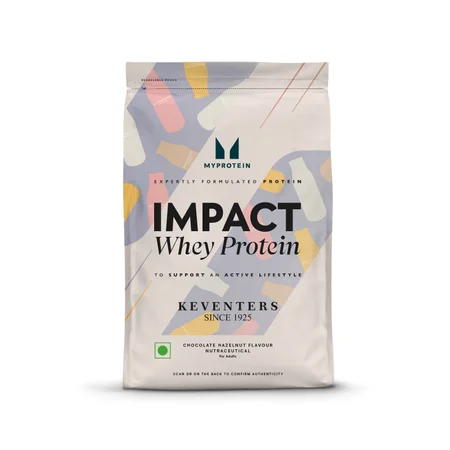
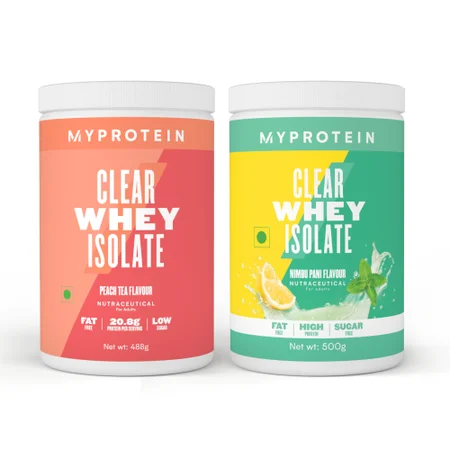
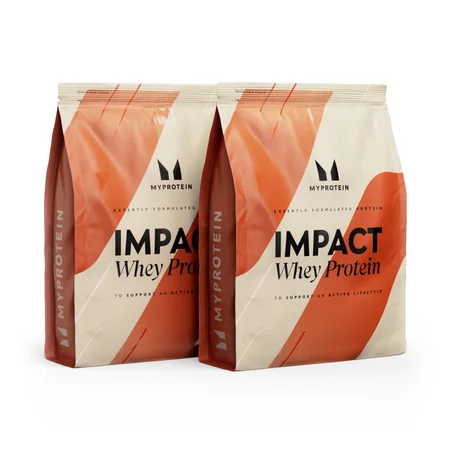
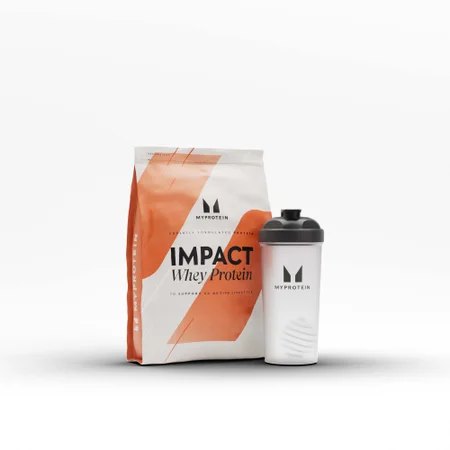
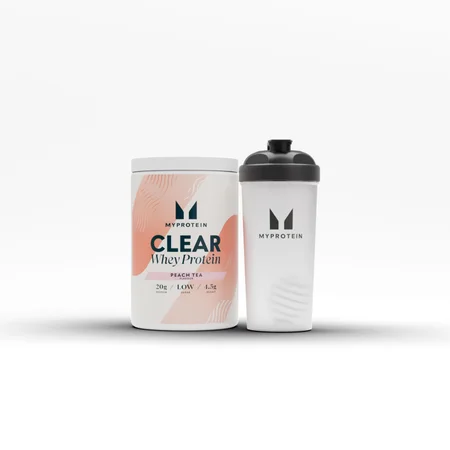
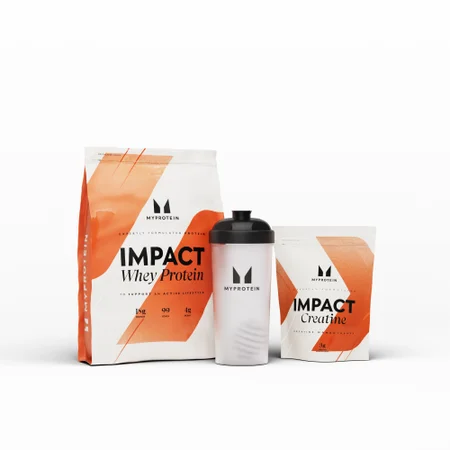
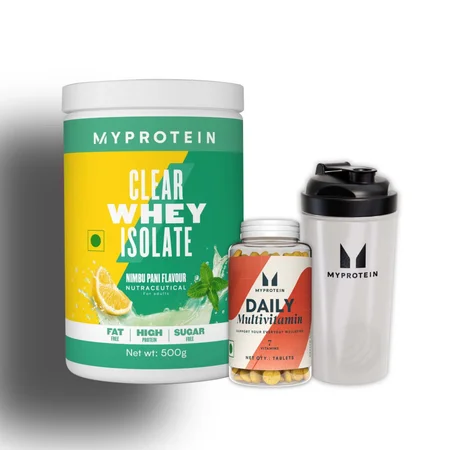
Shop Protein Powders & Shakes at Myprotein
Protein powder is one of the simplest ways to hit your daily protein target without overthinking every meal. Whether you're after a classic whey blend, a fast-mixing isolate, or a refreshing clear whey, this range covers every format, flavour and goal.
From everyday training to busy weeks where cooking a high-protein meal isn't realistic, a scoop of protein powder mixed with water or milk gets the job done in seconds. With options spanning whey concentrate, whey isolate, and clear whey, there's a format here to suit any routine.
Who Protein Powders & Shakes Are For
This range suits anyone who trains regularly and wants an easy way to add protein to their day. From people lifting weights a few times a week to those doing regular cardio or sport, protein powder works as a flexible top-up alongside meals.
It's just as useful for anyone who struggles to get enough protein from food alone. If your schedule makes cooking three balanced meals a day tricky, a shake fills that gap without any extra prep.
When to Use Protein Powders & Shakes
Protein shakes work at pretty much any point in the day, which is what makes them so practical. Many people reach for one after training, first thing in the morning, or between meals when they need something quick.
There's no single "right" time to drink a protein shake. What matters more is your total daily intake, so use it whenever it's most convenient to fit your protein goals, whether that's pre-workout, post-workout, or simply alongside breakfast.
Protein Powders & Shakes Benefits
Protein for Muscle Mass
Protein contributes to the growth and maintenance of muscle mass1. A scoop of whey protein is a straightforward way to top up your intake around training.
Convenient Format
Powders mix in seconds with water or milk in a shaker and travel well, so you're never far from a protein source.
Flexible Daily Use
From whey concentrate to isolate, the format you choose can slot into breakfast, a midday snack, or your post-training routine. This makes it easier to spread protein intake across the day rather than relying on one or two big meals.
Bone Maintenance
Protein also contributes to the maintenance of normal bones2, alongside its role in muscle mass. It's a nutrient that does more than one job in the body.
Popular Picks
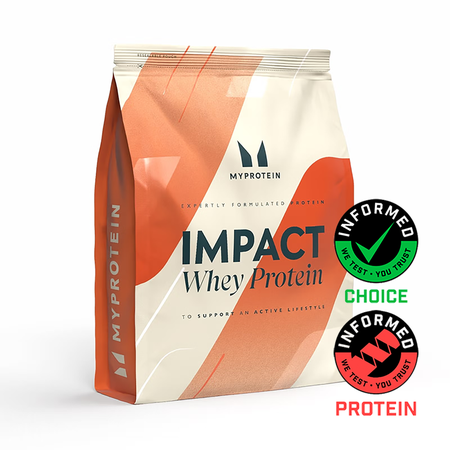
Impact Whey Protein — High in protein. Informed Protein certified.
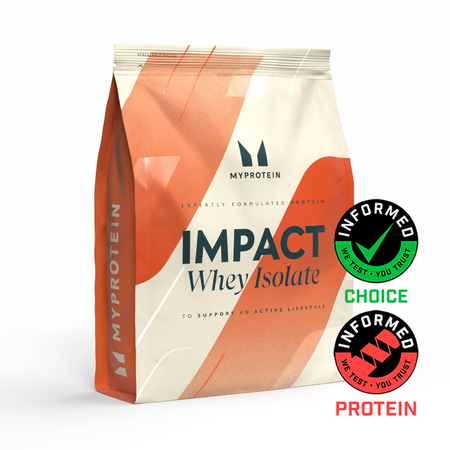
Impact Whey Isolate — Our purest whey protein. High in protein.
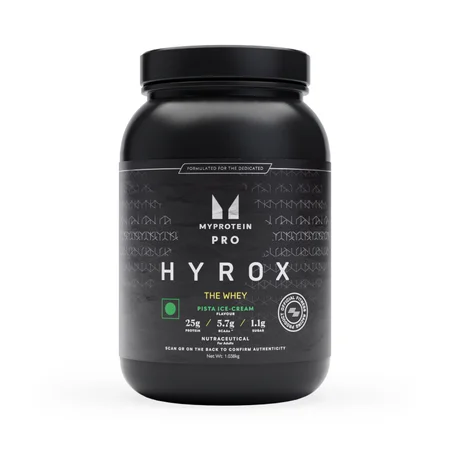
THE Whey™ — Ultra-premium whey. 23g of protein per serving, supporting your muscles1.
Quality You Can Trust
When you're choosing Protein Powders & Shakes, what's inside the product matters as much as what's on the label. Quality runs through the process from source to scoop, from supplier approval and raw material checks to finished product inspection.
Verified ingredients from trusted suppliers
Suppliers are reviewed through an approval and monitoring programme aligned with BRCGS requirements. Raw materials are checked before acceptance, including supplier documentation for heavy metals, pesticides and other contaminants where relevant.
Controlled production. Consistent batches.
Across in-house production and product development facilities, checks are carried out throughout the process. That includes raw material verification, in-process testing and finished product inspection, with systems designed to help protect product identity, quality and consistency.
Extra assurance for certified products
For selected certified products, look for Informed Choice or Informed Protein logos on the product page. These show the independent programme that applies, from banned-substance testing to protein-content verification where relevant.
Protein Powders & Shakes FAQs
Protein powder is a concentrated source of protein, usually made from whey, casein, or plant sources like pea and soy, designed to be mixed into a shake. It's used to top up daily protein intake quickly, whether that's Impact Whey Protein, Impact Whey Isolate, or a juicy alternative like Clear Whey Isolate. Protein contributes to the growth and maintenance of muscle mass1.
Whey concentrate and whey isolate differ mainly in processing and protein content per serving. Impact Whey Isolate goes through extra filtration to strip out more fat and lactose, making it a purer whey protein, while Impact Whey Protein is a classic concentrate blend. Both are high in protein and suit different preferences around taste, texture, and macros.
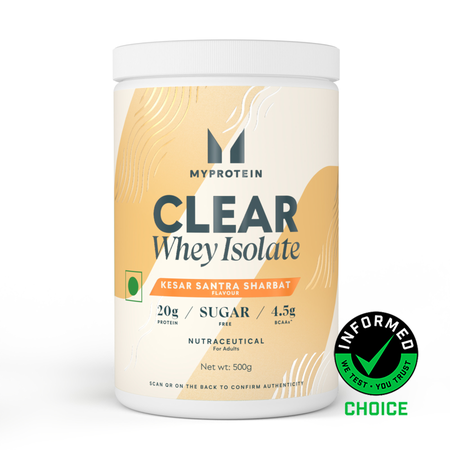
Choosing a protein powder comes down to your format preference and protein needs. Impact Whey Protein is a solid all-rounder that's high in protein and Informed Protein certified, Impact Whey Isolate suits those wanting a purer, lower-carb option, and THE Whey™ delivers 23g of protein per serving for a more premium formula. Clear Whey Isolate is worth considering if you prefer a lighter, juice-like drink over a traditional shake.
Hitting your daily protein target usually means combining whole foods with a protein shake or two to fill any gaps. Spreading intake across meals, rather than loading it all in one sitting, is a practical approach many people use. A scoop of whey protein mixed with water or milk is an easy way to add protein without extra cooking or prep.
Five signs worth paying attention to are: persistent hunger shortly after eating, slower recovery between training sessions, workouts that feel more tiring than usual, a stall in strength or muscle gains despite consistent training, and meals that lean heavily on carbohydrate-only snacks with little in the way of meat, dairy, eggs, or a shake. Spotting a couple of these together is usually a decent hint that your intake has dropped, and adding a protein powder to your routine is one straightforward way to close the gap.
Two eggs provide a useful amount of protein but typically less than a standard protein shake serving. Many people combine whole food sources like eggs with a scoop of whey protein to reach a higher total post-workout. Protein contributes to the growth and maintenance of muscle mass1, so the total amount across the day matters more than any single source.
Informed Protein certification means a product has been checked by an independent testing programme focused on protein supplement quality and label accuracy. Impact Whey Protein carries this certification, giving an added layer of assurance around what's in the tub. It's a useful marker to look for if product testing matters to your buying decision.
Protein powder on its own is a protein source rather than a complete meal replacement, since it doesn't typically provide the full balance of carbohydrates, fats, and micronutrients a meal does. It works well mixed into a shake alongside fruit, oats, or milk to build something more substantial. Used this way, it's a quick option when time is tight.
These protein powders are developed by Myprotein's expert nutritionists, who formulate each product for protein content, mixability, and taste. This range reflects that ongoing development work, from classic whey blends to isolates and clear whey formulations.
Protein powder is the raw product you mix yourself, while a protein shake usually refers to the drink once it's combined with liquid, or an alternative style of protein drink like Clear Whey Isolate. Both deliver the same core benefit of a convenient protein source to support your training routine.
1. Protein contributes to the growth and maintenance of muscle mass.
2. Protein contributes to the maintenance of normal bones.