Protein Snacks
Want nutritious food and snacks to keep you going throughout the day? Then look no further. Our range, containing high-protein foods and snacks, is on hand to keep your diet on track.
3 Results
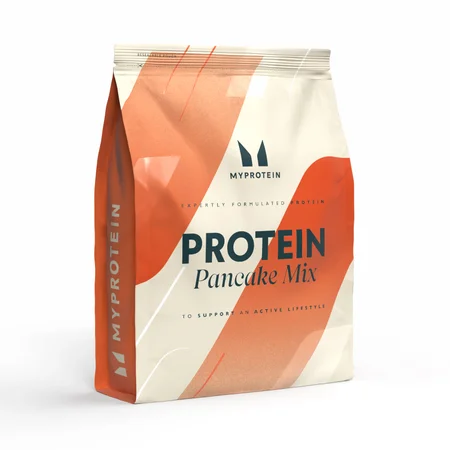
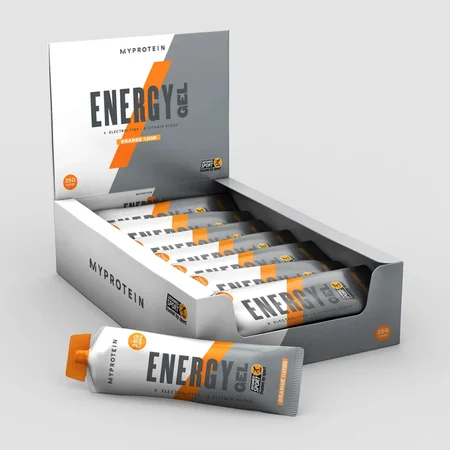
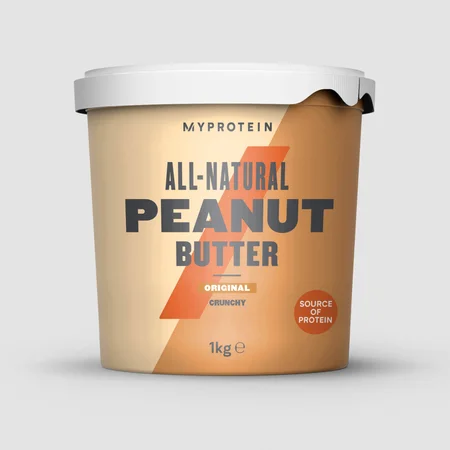
Shop Protein Snacks at Myprotein
Finding convenient ways to meet your daily protein needs doesn't mean sacrificing taste or variety. Protein snacks offer a practical solution for those moments between meals when you need something satisfying without the prep time of a full meal.
From bars and bites to spreads and mixes, protein-rich snacks come in formats that fit different lifestyles and preferences. Whether you're at your desk, heading to the gym, or just need something quick at home, there's a high protein snack designed for that moment.
Who Should Try These
These products work for anyone looking to add more protein to their daily routine without the hassle of meal prep. Athletes often use them around training sessions, whilst office workers appreciate having something nutritious within reach during busy workdays.
If you're managing your macros, tracking your intake, or simply trying to make better food choices throughout the day, protein snacks provide a measurable, consistent option. They're particularly useful for people who struggle to hit their protein targets through meals alone or who need portable options for life on the go.
When to Use Protein Snacks
Timing depends entirely on your schedule and goals. Many people keep protein bars in their gym bag for post-workout convenience, whilst others rely on them mid-morning or mid-afternoon to bridge the gap between meals. The key is fitting them into your routine where they make the most sense for you.
For those training early or late, having a protein snack ready saves time and removes the temptation to skip nutrition altogether. They also work well for travel, long meetings, or any situation where you need something quick but substantial. Some prefer them as part of breakfast, whilst others use them as an evening option when something sweet sounds appealing.
Protein Snacks Benefits
Convenient Protein Delivery
Protein contributes to the growth and maintenance of muscle mass1, making it essential for active individuals and those training regularly. Protein snacks provide a measured serving without requiring preparation, cooking, or refrigeration in most cases.
Portable and Shelf-Stable
Unlike fresh food options, most high protein snacks can sit in a bag, drawer, or car without spoiling. This makes them reliable for unpredictable schedules, travel, or simply having a backup option when plans change.
Variety of Formats
From bars and bites to pancake mixes and spreads, protein-rich snacks come in different textures and flavours. This variety helps prevent monotony and lets you choose based on what sounds good in the moment rather than settling for the same thing every time.
Portion Control
Each serving delivers a known amount of protein and calories, which simplifies tracking and planning. For anyone managing their intake carefully, this consistency removes the guesswork that comes with estimating portions of whole foods.
Popular Picks
Looking for something quick and satisfying? Impact Protein Bar contains just peanuts with nothing added, making it a straightforward source of protein and healthy fats. Spread it on toast, add it to smoothies, or eat it straight from the jar when you need something satisfying.
FAQs
What exactly are protein snacks?
Protein snacks are foods specifically formulated or naturally high in protein content, designed to be consumed between main meals. They come in various formats including bars, bites, spreads, mixes, and ready-to-eat options, each providing a convenient way to increase your daily protein intake without meal preparation.
How do protein snacks compare to regular snacks?
The main difference lies in macronutrient composition. Whilst regular snacks often prioritise carbohydrates or fats, protein snacks are formulated to deliver higher protein content per serving. This means you're getting more protein relative to calories compared to traditional options like crisps, biscuits, or even some nuts.
Regular snacks might provide 2-5g of protein per serving, whereas protein-focused options typically deliver 15-25g. This makes them more efficient for meeting daily protein targets, particularly for active individuals or those tracking their macros carefully.
What are the best protein snacks for someone new to these products?
Start with familiar formats that match foods you already enjoy. If you like chocolate bars, protein bars make an easy transition. If you prefer savoury options, protein-enriched nuts or jerky-style snacks feel less like a departure from normal eating habits.
Protein pancake mixes work well for people who enjoy cooking and want to incorporate protein into meals they already make. Nut butters offer versatility since you can use them in multiple ways rather than committing to one specific flavour or texture.
When should I eat protein snacks during the day?
There's no universally correct time - it depends on your schedule, training routine, and when you typically feel hungry. Many people find them useful mid-morning or mid-afternoon when energy dips and the temptation for less nutritious options increases.
Around training, some prefer protein snacks post-workout for convenience, whilst others use them pre-workout if they need something light that won't sit heavily. Evening snacks work for people who prefer eating later or who find themselves hungry after dinner. The key is fitting them where they genuinely help rather than forcing them into a schedule that doesn't suit you.
How much protein should I aim for in a snack?
This depends on your total daily protein target and how you distribute it across meals and snacks. A typical protein snack contains 15-25g of protein, which represents a reasonable serving size that contributes meaningfully to daily totals without replacing full meals.
If you're eating four times daily and targeting 120g of protein, you might aim for 30g per main meal and use snacks to bridge any gaps. Someone targeting 160g might structure things differently. Calculate your total needs first, then determine how snacks fit into that picture rather than working backwards from the snack itself.
Can I use protein snacks as meal replacements?
Whilst protein snacks provide protein efficiently, they're generally designed to supplement your diet rather than replace balanced meals. Most don't contain the same variety of nutrients you'd get from a meal with vegetables, whole grains, and diverse protein sources.
That said, there are occasions when a protein bar or shake beats skipping a meal entirely - during travel, unusually busy days, or when proper food isn't accessible. Just don't make it a regular pattern, as whole food meals offer nutritional benefits beyond protein alone.
What should I look for when choosing healthy protein snacks?
Check the protein content per serving first, then look at the complete nutritional profile including calories, fats, carbohydrates, and added sugars. Some products deliver protein efficiently with minimal extras, whilst others include more carbohydrates or fats depending on their intended use.
Ingredient lists matter too. Products with shorter lists of recognisable ingredients generally indicate less processing. For specific dietary needs, check for allergen information, vegan suitability, or certifications like Informed Sport if you compete in tested sports. Ultimately, the best protein snack is one you'll actually eat regularly rather than the one with the most impressive numbers that tastes terrible.
Do protein snacks need to be refrigerated?
Most protein bars, bites, and similar shelf-stable snacks don't require refrigeration, which makes them convenient for bags, desks, or cars. Check individual product packaging, but the majority are designed to withstand room temperature for extended periods.
Certain products like protein yoghurts or fresh protein balls obviously need refrigeration. Nut butters remain stable at room temperature once opened, though some people prefer them chilled. Protein pancake mix and similar powdered products should be stored in cool, dry places but don't need refrigeration until prepared.
Who develops Myprotein's protein snack range?
Myprotein's expert nutritionists formulate these products, working to balance protein content, taste, texture, and practical considerations like shelf stability and portability. The development process involves testing different formats and flavours to create options that people actually want to eat regularly rather than just tolerate for the protein content.
How do protein snacks fit into different dietary approaches?
Many protein snacks work across various dietary patterns. Vegan options use plant-based proteins like pea, soy, or rice protein instead of whey or casein. Low-carb varieties minimise sugars and starches for those following ketogenic or similar approaches, whilst others include more carbohydrates for those who need them around training.
If you're following a specific dietary approach, check the nutritional information and ingredients list rather than assuming all protein snacks fit your requirements. The category is broad enough that you'll usually find options that align with your particular needs, but they're not all interchangeable.
1. Protein contributes to the growth and maintenance of muscle mass.