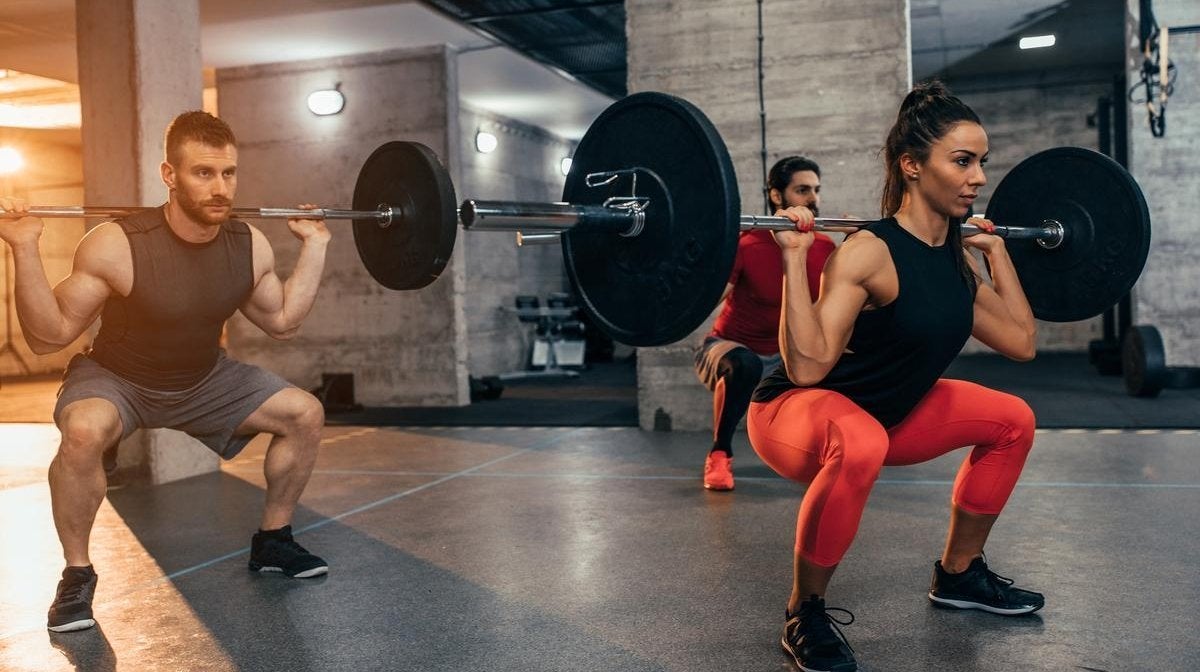
The gyms may be closed but that is no excuse for not pushing yourself. If you’re wondering how to get yourself started or motivated then it’s time to throw yourself into a fitness challenge, and what better challenge than the squat challenge.
Push yourself into a new world of motivation by squatting your way through 30 days of variations, progress and achievement.
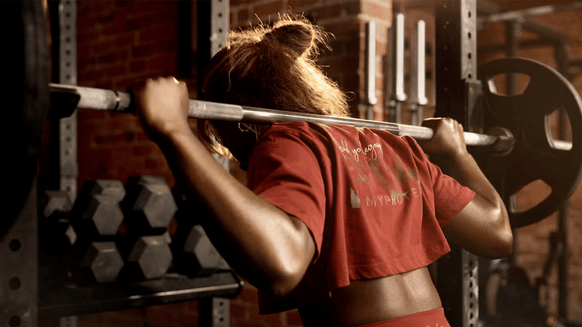
How to squat
- Stand with feet shoulder-width, with toes slightly turned outward.
- Tighten up your core to stabilize yourself, start to shift your weight back into your heels while pushing your hips behind you as you squat down.
- Continue to lower yourself until your thighs are almost parallel to the floor. Your feet should remain flat on the ground, and your knees should remain over your toes.
- Keep your spine neutral, chest out and push through the heel to return to the start position. Keep the core tight throughout for better technique.
What are the benefits?
When done correctly, your core will benefit from this exercise however, the squat predominantly builds muscle and strength in your lower body. In addition, due to the number of muscles worked, more calories will be burned.
The squat strengthens a number of key and large muscles including the Glutes and Quads and due to this, can reduce the chances of injury.
The 30-day squat challenge
Complete the required reps each day to complete the challenge. If you can do this in one sitting then great. You're in a brilliant place to start but worry not, if you can’t and need to break it up that is not an issue. Aim for sets of ten minimum and take a short rest period.
It won’t be easy but think about the end result. Unsure about the technique? Take a look below for a full breakdown of each variation that is listed.
[su_table]
Day
Exercises
Day 1
50 squats
Day 2
60 squats
Day 3
70 squats
Day 4
Rest
Day 5
70 squats, 5 pulse squats
Day 6
80 squats, 5 hold squats
Day 7
85 squats, 5 squat jumps
Day 8
Rest
Day 9
100 squats, 5 power squats
Day 10
85 squats, 5 squat jumps, 5 pulse squats
Day 11
90 squats, 5 power squats, 5 hold squats
Day 12
Rest
Day 13
120 squats, 5 power squats, 5 pulse squats, 5 hold squats
Day 14
100 Squats, 10 squat jumps, 5 hold squats
Day 15
110 Squats, 5 squat jumps, 5 power squats, 5 pulse squats, 5 hold squats
Day 16
Rest
Day 17
130 Squats 10 squat jumps, 10 power squats
Day 18
120 Squats 10 pulse Squats, 10 power squats, 5 hold squats
Day 19
130 Squats 10 Hold squats, 10 squat jumps
Day 20
Rest
Day 21
150 Squats, 10 squat jumps, 10 power squats
Day 22
150 squats, 10 pulse squats, 10 hold squats
Day 23
190 squats
Day 24
Rest
Day 25
160 squats, 10 squat jumps, 10 power squats, 10 pulse squats, 10 hold squats
Day 26
225 Squats
Day 27
200 squats, 10 squat jumps, 20 power squats
Day 28
Rest
Day 29
200 squats (5 squat jumps, 5 power squats, 5 pulse squats, 5 hold squats. Rest for 1 minute and repeat x 3)
Day 30
200 squats (10 squat jumps, 10 power squats, 5 pulse squats, 5 hold squats. Rest for 1 minute and repeat x 3)
[/su_table]
Correct Form
1. Basic Squat
- Stand with feet shoulder-width, with toes slightly turned outward.
- Tighten up your core to stabilize yourself, start to shift your weight back into your heels while pushing your hips behind you as you squat down.
- Continue to lower yourself until your thighs are almost parallel to the floor. Your feet should remain flat on the ground, and your knees should remain over your toes.
- Keep your spine neutral, chest out and push through the heel to return to the start position. Keep the core tight.
2. Pulse squat
- Once in position based on the basic squat, drop into the deep squat position.
- Instead of returning to standing, hold a low squat and pulse, holding the correct form.
- Your pulse should raise and lower just a couple of inches to really feel the burn.
- When complete, return to standing and rest.
3. Squat jump
- Stand with feet shoulder-width, feet in a position that you would perform a normal jump.
- Tense the core and drop into the deep squat position. Weight on your heels.
- Power through the heel into a jump.
- Once you land, follow-through back into the deep squat position.
- Repeat for the required number of reps then rest.
4. Power squat
- Stand with your feet slightly beyond shoulder-width apart, toes forward, hands next to your sides.
- Simultaneously, push your hips back and swing your arms backwards, lowering your body until your thighs are almost parallel to the floor.
- Pause, then quickly push yourself back to the starting position, swinging your arms above your head and ending the movement on your toes.
5. Hold squat
- Stand with feet shoulder-width, with toes slightly turned outward.
- Tighten up your core to stabilize yourself, start to shift your weight back into your heels while pushing your hips behind you as you squat down.
- Continue to lower yourself until your thighs are almost parallel to the floor.
- Once at the bottom, hold for a count of 2 before pushing through the heel back to the start position.
- Repeat for the required number of reps.
Take Home Message
There you have it, a tough squat challenge but one that will provide results and a sense of achievement. Track your progress and even measure your legs before and after.

Chris is a Level 3 personal trainer with a BA Honours degree in Sports Coaching and Development and a Level 3 qualification in Sports Nutrition. With 15 years of experience in the fitness industry, he creates tailored fitness programmes and classes for a wide range of clients, from beginners to advanced athletes. Chris is also a qualified football coach, providing high-level goalkeeping and fitness training at semi-professional level. He spends his free time with his family or training in the gym.